
/en/-/media/stresslesssite/instoreguidance/stressless-brand-store-1920x1080.jpg?cx=0&cy=0&cw=1920&ch=1080&hash=A8A7B687A05504A7FF8DFC7B22D17589

How to test Stressless® furniture in-store before you buy

Stressless® furniture is made to be experienced, not just seen

Comfort is personal, and the right feeling can only truly be found when you try it for yourself. Take your time, sit down, move, recline and notice how your body responds.

Our Comfort Test tips will help you discover the support, size and feeling that suits you best — so you can choose comfort made to be enjoyed for years.

Customise with our wide range of materials and finishes

Once you have found the comfort that feels right, explore the details. Your Stressless® retailer can guide you through sizes, bases, materials, colours and finishes.

Feel the materials. Compare colours. Ask questions. Furniture is not chosen for one moment - it becomes part of everyday life.

Choosing furniture is easier when you know what to look for. Use this checklist to test comfort, support, movement and fit before you decide. Sit as you would at home, try different positions, and take as long as you need to feel how the furniture supports your body over time.

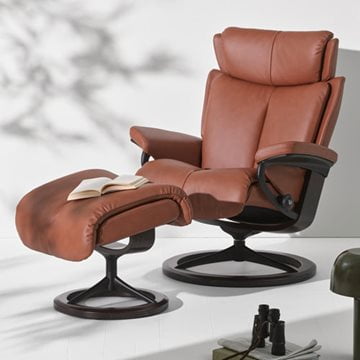
How to test a Stressless® recliner

When trying a recliner, pay attention to:

  • lumbar support in upright and reclined positions
  • how smoothly the chair moves with you as you recline
  • if the size suits your height and build
  • how supported your neck, back and legs feel 
  • whether the recliner remains comfortable after sitting for an extended period


Recliner checklist:

  1. Sit longer than you normally would
    Great comfort often reveals itself over time rather than in the first few moments.
  2. Notice how the recliner adapts to you
    Does the gliding movement adjust naturally to the weight and movement of your body?
    Tip: The glide wheels can be adjusted to the right level of friction and the recliner will follow even your smallest movements.
  3. Check lumbar support
    Does the recliner provide consistent lower back support in both upright and reclined positions?
  4. Assess stability and build quality
    Does the recliner feel robust, stable and secure as you sit down, recline and change position?
  5. Evaluate the fit
    Are the height and width right for your body, allowing you to sit comfortably in all positions?
  6. Pay attention to full-body comfort
    Notice whether your shoulders, neck, back and legs relax naturally without creating pressure points.
  7. Position the ottoman correctly
    Does the adjustable ottoman provide full leg support and help you maintain a comfortable, relaxed posture?
  8. Compare different Stressless® models
    Comparing different models helps you identify which level of support and comfort suits you best.

If high back recliner:
Test the Sleep function. Can you adjust the headrest so that it lies flat when you recline while continuing to support your head and neck? 

Final tip:
Take your time. A recliner is not just about initial comfort. The best recliners continue to support your body and adapt to your movements throughout the day.

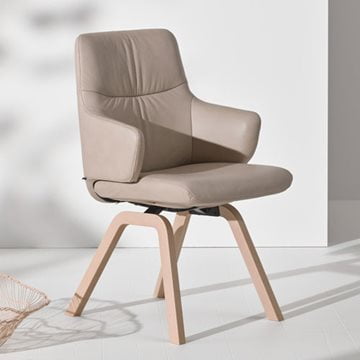
How to test a Stressless® dining chair

When trying a dining chair, pay attention to:

  • whether the dining chair adapts naturally to your movements without needing adjustment
  • how well your back and spine feel supported in different sitting positions
  • whether the seat adapts comfortably to your body weight without creating pressure points
  • how comfortably the chair supports you during longer periods of sitting
  • whether the height and proportions feel right for dining and socialising around the table
 

Dining chair checklist:

  1. Sit down naturally
  2. No levers. No adjustments. Just sit down and notice how the chair responds to your body. A comfortable dining chair should provide support from the moment you sit down.
  3. Lean forward
    Notice how the chair supports your back as your posture changes. When leaning forward to eat, reach or join the conversation, your back should remain comfortably supported.
  4. Lean back
    Feel how the seat and backrest move with you as you relax. A well-designed dining chair should adapt naturally as you change sitting position.
  5. Stay seated
    Give it a few minutes. Great comfort reveals itself over time. Notice whether the chair continues to support your body as you move and adjust your posture.
  6. Sit at a dining table
    Imagine a long dinner with family or friends. Do the height and proportions feel right? A dining chair should provide comfortable support throughout the entire meal.

If the dining chair has armrests:
Rest your arms and notice whether they feel naturally supported as you change position. Well-positioned armrests should support a relaxed sitting posture without restricting your movement.

If the dining chair has a swivel base:
Turn slightly and notice how the chair rotates smoothly and naturally as part of your movement.

Final tip:
Take your time. Feel the materials. Compare colours and finishes. Ask questions. The right dining chair should remain comfortable throughout long meals and everyday use.

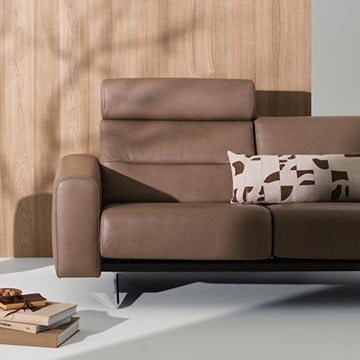
How to test a Stressless® sofa

When trying a sofa, pay attention to:

  • whether the sofa feels supportive and comfortable from the moment you sit down
  • how well your back, neck and legs are supported in different seating positions
  • whether the seat depth, height and proportions suit your body and way of sitting
  • how comfortably the sofa supports movement, relaxation and extended periods of use
  • whether the sofa remains comfortable when sitting, reclining or lying down
 

Sofa checklist:

  1. Sit down normally
    Does the sofa immediately feel balanced, supportive and comfortable? A well-designed sofa should feel inviting from the first moment.
  2. Stay seated longer than you normally would
    Comfort that lasts often reveals itself over time. Notice whether the sofa continues to support your body as you relax.
  3. Try different sitting positions
    Sit upright, lean back and shift your posture naturally. A comfortable sofa should support you in a variety of everyday positions.
  4. Check lumbar support
    Does the sofa provide consistent lower back support while helping you maintain a relaxed posture?
  5. Test movement, not only stillness
    Move naturally as you would at home. Notice whether the sofa adapts comfortably as you change position.
  6. Evaluate the fit
    Are the seat depth, height and width right for your body and preferred way of sitting?
  7. Try lying down
    If you use your sofa for reading, relaxing or watching TV, lie down and notice whether your body feels fully supported.
  8. Try different seats or modules
    If the sofa is modular, test different seats and configurations. Do they feel consistent, and can you find the position that suits you best?
  9. Compare different Stressless® models
    Comparing different sofas helps you identify which level of support, comfort and flexibility suits you best.

If the sofa has an adjustable headrest:
Can you adjust the headrest so that it supports your head and neck comfortably when sitting, reclining or lying down?

If the sofa has a high back:
Does the sofa provide comfortable support for your head and neck while reading, relaxing or watching TV?

Final tip:
Take your time. Sit and relax as you would at home. The right sofa should remain comfortable throughout the day and support your body in the ways you use it most.

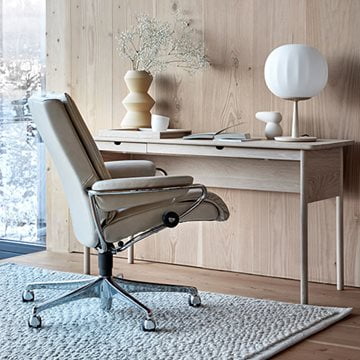
How to test a Stressless® home office chair

When trying a home office chair, pay attention to:

  • whether the chair provides consistent support throughout your working day
  • how well your lower back is supported in both upright and reclined positions
  • how naturally the chair adapts to your body weight and movement
  • whether the seating position feels comfortable for focused work and relaxation
  • whether the height and proportions can be adjusted to suit your workspace


Home office chair checklist:

  1. Sit longer than you normally would
    Great comfort often reveals itself over time. Notice whether the chair continues to support your body throughout an extended period of sitting.
  2. Test the recline
    Does the backrest recline smoothly and comfortably while continuing to support your body?
  3. Check lumbar support
    Does the chair provide consistent lower back support in both upright and reclined positions?
  4. Assess stability and build quality
    Does the chair feel robust, stable and secure throughout your movements and working positions?
  5. Notice how the chair adapts to you
    Does the gliding movement adjust naturally to the weight and movement of your body?
  6. Evaluate the fit
    Are the height and width right for your body, allowing you to sit comfortably throughout the working day?
  7. Pay attention to full-body comfort
    Notice whether your shoulders, neck, back and legs remain comfortably supported without creating pressure points.
  8. Change position naturally
    Does the chair move with you as you change posture between focused work and relaxation?
  9. Test the working position
    Adjust the height and imagine a typical working day. Your arms, shoulders and posture should feel relaxed while sitting at your desk.
  10. Compare different Stressless® models
    Comparing different home office chairs helps you identify which level of support, comfort and movement suits you best.
  11. Notice the seating angle
    The Home Office base provides a different seating angle. Make sure it feels natural for the way you work.

If high-back:
Can you adjust the headrest so that it lies flat when you recline while continuing to support your head and neck comfortably?

Final tip:
Take your time. A home office chair is not just for a moment of comfort. The best chairs continue to support your body, posture and concentration throughout the working day.

Stressless Brand Store London Front

Ready to experience it for yourself?


You've learned what to look for. Now visit a Stressless® retailer and try the Comfort Test in person.

Find a retailer near you

Comfort designed to last

10-year guarantee on internal mechanisms